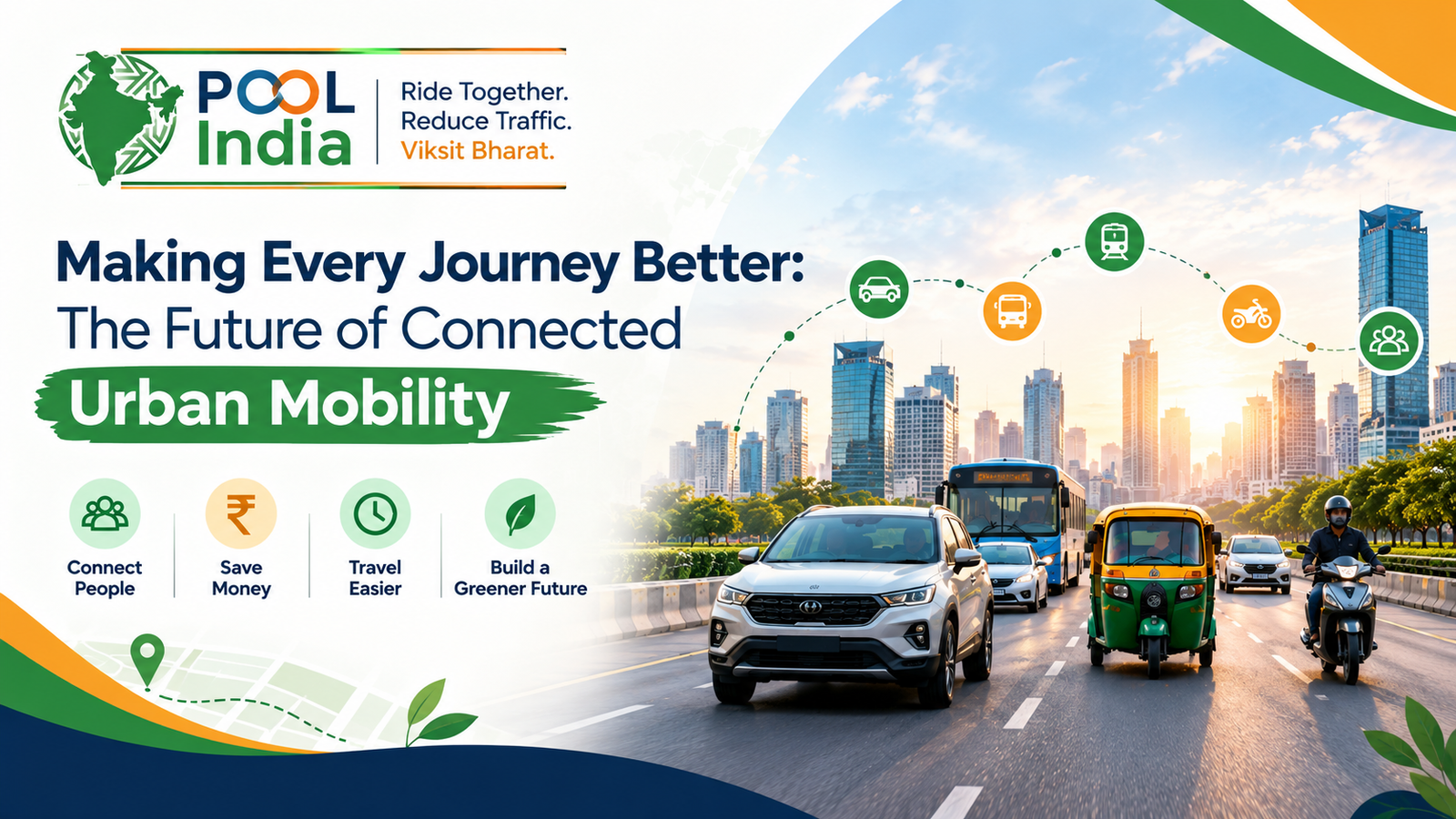
Making Every Journey Better: The Future of Connected Urban Mobility
Urban transportation is changing rapidly as cities grow, populations increase, and daily travel becomes an essential part of modern life. From travelling to offices and colleges to visiting business districts and exploring new destinations, people need transportation that is convenient, affordable, reliable, and efficient. This is where urban mobility plays an important role.
Modern urban mobility is about more than simply moving from one place to another. It focuses on connecting people, improving travel experiences, making better use of transportation resources, and creating smarter ways to navigate busy cities.
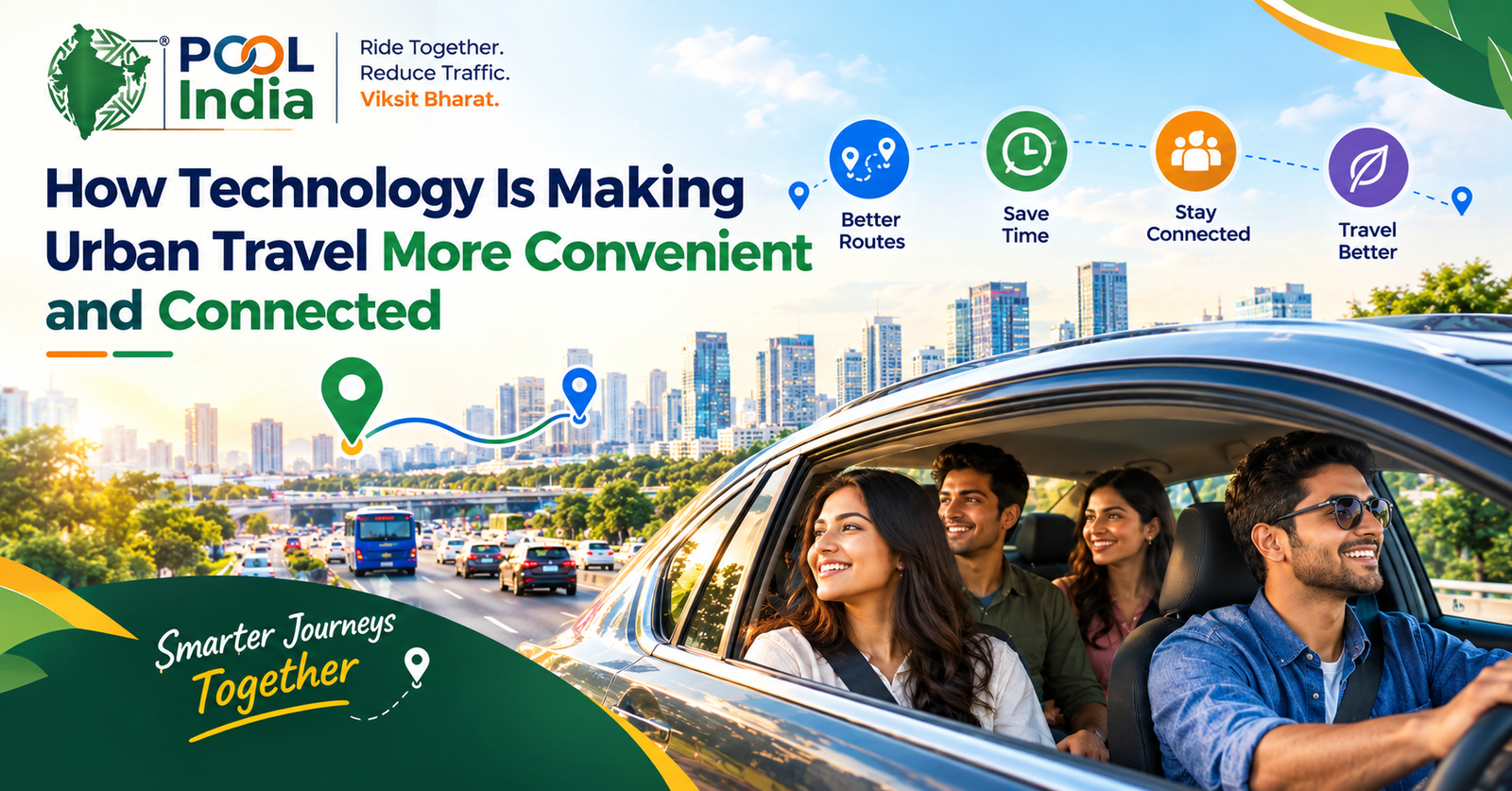
With technology becoming an essential part of everyday transportation, connected mobility platforms are helping people explore more convenient travel options. Pool India reflects this approach by bringing people and mobility solutions together through a technology-driven platform.
The future of urban mobility depends on creating better connections between people, vehicles, routes, and destinations. By focusing on convenience, affordability, and sustainability, cities can move towards a more connected transportation experience.
What Is Urban Mobility?
Urban mobility refers to the movement of people within cities and surrounding urban areas. It includes different transportation options, such as cars, buses, two-wheelers, taxis, public transportation, and other modern mobility services.
The main objective of urban mobility is to help people reach their destinations safely, conveniently, and efficiently.
Traditional transportation systems often face challenges such as traffic congestion, rising travel costs, limited parking, and long commuting times. These challenges create a need for smarter transportation solutions that respond to the changing needs of urban residents.
Connected urban mobility uses technology and better coordination to make transportation more accessible and organized.
For example, digital platforms can help users explore travel options, understand routes, and find solutions that suit their schedules and budgets.
Why Connected Urban Mobility Matters
As cities continue to expand, transportation requirements are becoming more complex. Employees travel to offices, students commute to educational institutions, and businesses depend on reliable transportation to keep daily operations running smoothly.
Connected urban mobility can help address several common challenges.
1. Making Daily Travel More Convenient
Daily commuting can become stressful when people need to manage transportation, traffic, changing schedules, and travel expenses.
Smart mobility platforms can simplify the travel experience by helping people discover relevant transportation options through digital technology.
A more connected approach allows commuters to plan their journeys more effectively and explore alternatives that match their individual requirements.
For regular travellers, even small improvements in convenience can make everyday journeys easier to manage.
2. Reducing Travel Expenses
Transportation costs can become a significant part of a monthly budget. Fuel, parking, vehicle maintenance, public transportation fares, and other expenses can add up over time.
Affordable urban mobility encourages people to compare available options and choose transportation that suits their financial needs.
Technology-enabled platforms can help users explore suitable travel arrangements and make more informed decisions about their everyday journeys.
The goal is to balance affordability, convenience, and reliability without compromising the overall travel experience.
3. Improving Travel Efficiency
Efficient transportation depends on making better use of available routes, vehicles, and travel resources.
When people have access to useful travel information and suitable transportation options, they can make better decisions about how they move around a city.
Smart urban mobility solutions can support improved journey planning and help commuters consider alternatives when their usual travel arrangements become inconvenient.
Better travel planning can also help people manage their schedules and reduce unnecessary complications during daily commutes.
4. Supporting Better Urban Connectivity
Cities connect residential neighbourhoods, commercial districts, educational institutions, industrial areas, and public spaces.
Effective urban mobility helps people move between these locations more conveniently.
Connected transportation platforms can bring people and mobility options together, helping users discover practical ways to reach their destinations.
This connectivity is particularly important in growing cities where people frequently travel across different neighbourhoods for work, education, and personal activities.
How Technology Is Transforming Urban Mobility
Technology is changing how people discover, plan, and manage transportation.
Digital platforms, mobile applications, route information, online communication, and location-based services are making travel more connected and accessible.
Instead of relying entirely on traditional methods, people can use technology to explore transportation options and make decisions based on their requirements.
Technology can contribute to urban mobility in several ways:
Digital accessibility: Helping people discover mobility services through online platforms.
Route-based connectivity: Supporting travel planning based on locations and destinations.
Better coordination: Making it easier to organize journeys and communicate travel requirements.
Flexible choices: Allowing users to consider different transportation options.
Improved planning: Helping commuters organize their schedules more effectively.
Pool India is built around the idea of connected mobility, bringing people and travel options together through a technology-driven approach.
Pool India: Making Every Journey Better
Pool India focuses on creating a connected mobility experience for everyday commuters.
The idea is to make transportation more convenient by helping people explore suitable travel options and connect with others where appropriate.
Rather than viewing every journey as an isolated activity, connected mobility considers how people, routes, and available transportation resources can work together.
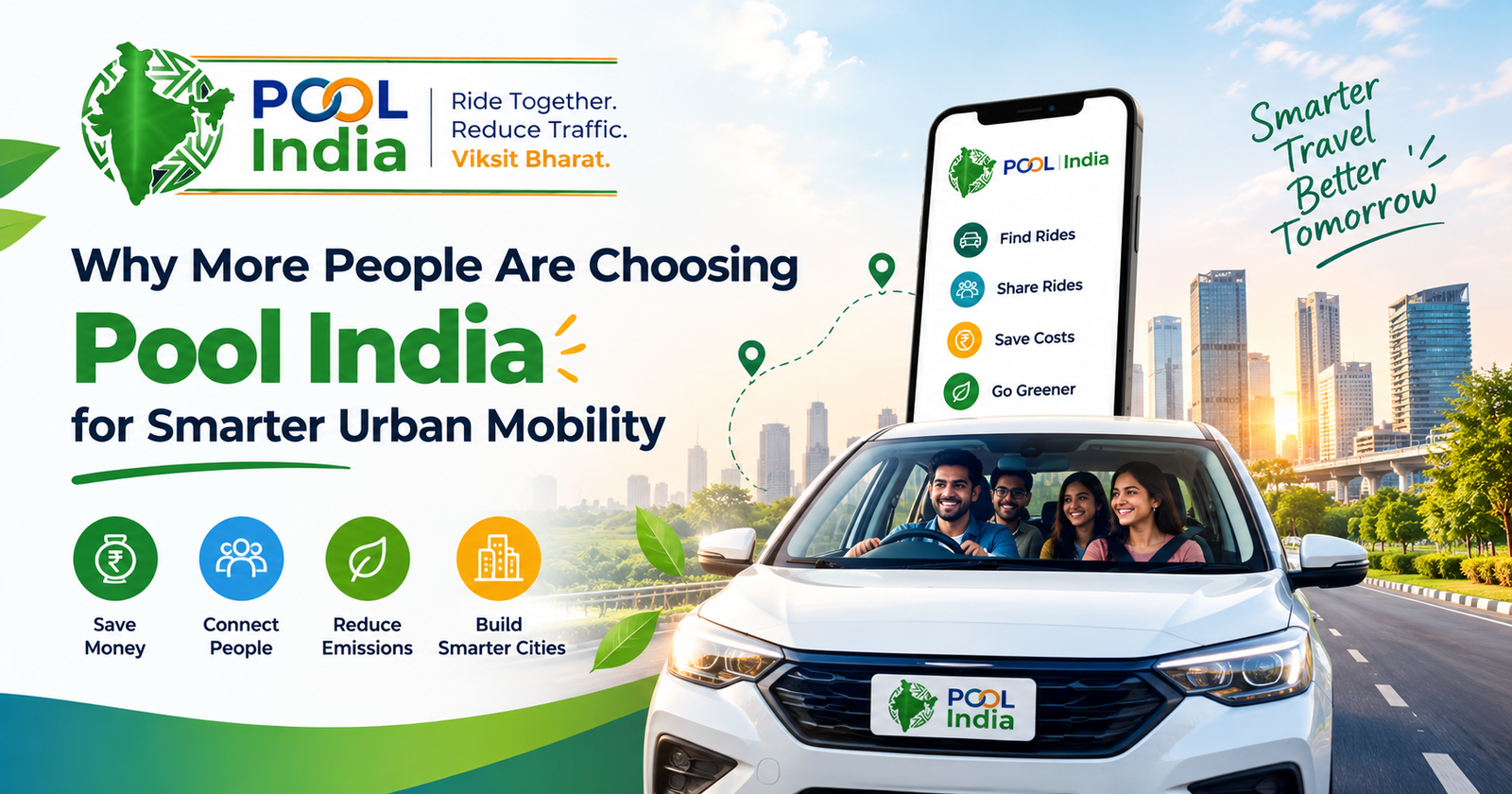
The Pool India approach focuses on four important principles.
Connect People
Connectivity is an important part of modern transportation. Digital mobility solutions can help people discover relevant travel connections and explore options that suit their journeys.
This can make everyday travel more organized and help commuters become part of a broader mobility network.
Save Money
Cost-conscious travel is important for students, professionals, families, and regular commuters.
Exploring different transportation options can help people choose arrangements that suit their budgets. Where applicable, sharing travel expenses can also help make certain journeys more economical.
Travel Easier
Convenience is a key part of a positive transportation experience.
A connected mobility platform can help people discover relevant options and organize their journeys more effectively, reducing the complexity of everyday travel planning.
Build a Better Tomorrow
The future of urban mobility also depends on using transportation resources more thoughtfully.
Encouraging efficient travel choices and better use of available vehicle capacity can contribute to a more sustainable transportation environment.
Together, these principles reflect Pool India's vision of smarter connections and stronger cities.
The Role of Urban Mobility in Reducing Traffic Congestion
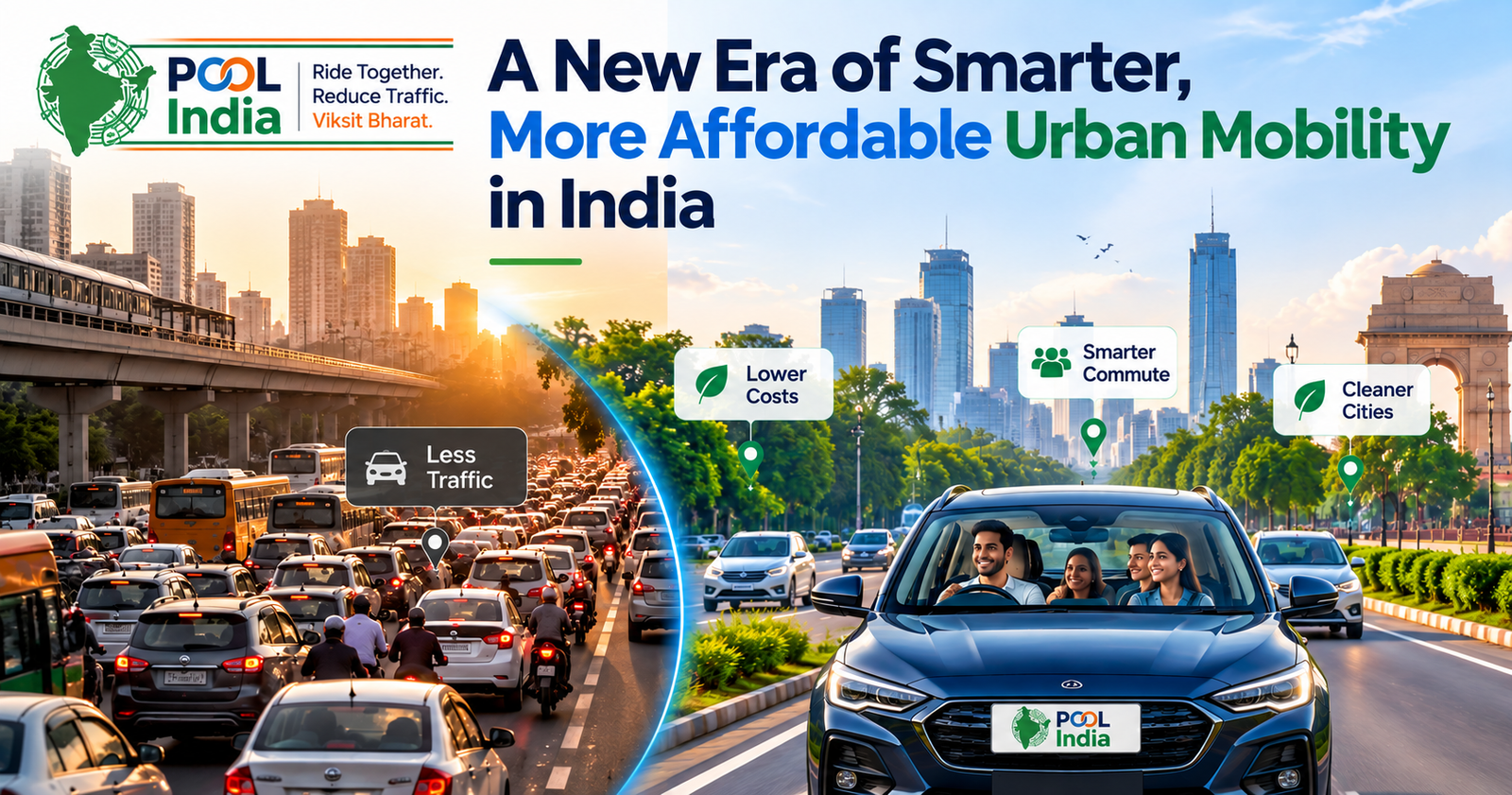
Traffic congestion remains a major challenge in many growing cities. During peak hours, large numbers of vehicles travel along the same roads, increasing journey times and placing pressure on urban infrastructure.
Urban mobility solutions can contribute to better transportation planning by encouraging people to explore suitable travel alternatives.
For example, commuters travelling towards the same business district may have different transportation choices available to them. Better access to mobility options can help them make decisions based on their routes, schedules, and requirements.
Making more efficient use of existing transportation resources can also help reduce unnecessary vehicle usage in suitable circumstances.
However, reducing traffic congestion requires a combination of measures, including improved public transportation, better road planning, efficient traffic management, walking and cycling infrastructure, and responsible travel choices.
Connected urban mobility can form one part of this broader approach to improving city transportation.
Sustainable Transportation and a Greener Future
Sustainable transportation focuses on meeting travel needs while considering environmental impact, resource efficiency, and long-term urban development.
As cities grow, transportation planning becomes increasingly important for managing road space, fuel consumption, emissions, and overall travel demand.
Smart mobility can support sustainability by helping people explore transportation options that make efficient use of existing resources.
Some important approaches include:
Encouraging public transportation where practical.
Supporting walking and cycling for suitable short journeys.
Improving access to different transportation options.
Making better use of available vehicle capacity.
Using digital tools to improve journey planning.
Encouraging informed and responsible travel decisions.
No single solution can address every transportation challenge. However, combining different approaches can help cities create a more balanced and sustainable mobility ecosystem.
Affordable Urban Mobility for Everyday Commuters
For many people, transportation is a recurring expense rather than an occasional purchase.
Office employees, college students, business travellers, and families often need to balance travel costs with convenience and time.
Affordable urban mobility gives commuters an opportunity to consider different ways of reaching their destinations.
Instead of automatically choosing the same option for every journey, people can evaluate factors such as distance, travel time, cost, availability, and personal preference.
Technology-enabled platforms can make this process easier by bringing mobility options together and helping users explore suitable arrangements.
For regular commuters, making informed transportation decisions can support better budgeting and a more organized daily routine.
Challenges Facing Modern Urban Mobility
Although technology creates new opportunities, urban transportation still faces several challenges.
Growing Traffic Volumes
Increasing travel demand can place pressure on roads, parking facilities, and existing transportation infrastructure.
Rising Transportation Costs
Fuel prices, maintenance expenses, parking charges, and other travel costs can affect household budgets.
Limited Connectivity
Some neighbourhoods may have fewer convenient transportation choices, making it harder for people to reach workplaces and essential services.
Changing Travel Requirements
Different commuters have different schedules, budgets, destinations, and accessibility needs. Transportation solutions must account for these differences.
Environmental Concerns
Cities must consider the environmental effects of transportation while balancing accessibility, economic activity, and everyday travel needs.
Addressing these challenges requires cooperation between commuters, mobility providers, businesses, urban planners, and public authorities.
The Future of Connected Urban Mobility in India
India's cities are evolving, and transportation needs will continue to change as urban populations, employment opportunities, and digital services expand.
The future of urban mobility will increasingly involve technology, connectivity, flexible transportation choices, and more efficient use of available resources.
Several developments are likely to remain important:
Digital mobility platforms: Online services can make it easier to discover and organize transportation options.
Integrated transportation choices: Better connections between public transportation and other mobility services can make journeys more convenient.
Data-informed planning: Useful travel information can support better decisions about routes, infrastructure, and transportation demand.
Sustainable travel options: Walking, cycling, public transportation, and efficient vehicle use can contribute to more balanced urban travel.
User-focused experiences: Transportation services will need to consider affordability, convenience, accessibility, and individual travel requirements.
Pool India aligns with this broader movement towards connected mobility by focusing on people, travel choices, convenience, and smarter everyday journeys.
How Pool India Supports a Connected Travel Experience
A connected mobility experience begins with understanding what commuters need.
Some people travel to offices every day, while others commute to colleges, commercial areas, or different cities. Their travel requirements may vary depending on distance, timing, budget, and convenience.
A technology-driven mobility platform can help bring relevant travel options together and make it easier for people to explore their choices.
Pool India's approach emphasizes connecting people, supporting cost-conscious travel, improving convenience, and encouraging more efficient transportation.
By keeping the travel experience at the centre of its approach, Pool India represents a vision in which mobility is not simply about reaching a destination. It is also about making the journey more organized, accessible, and connected.
Conclusion: A Smarter Future Starts With Better Connections
The future of urban mobility depends on creating transportation experiences that are convenient, affordable, efficient, and sustainable.
As cities grow and daily commuting becomes more demanding, people need better ways to discover travel options, manage expenses, and navigate urban environments.
Technology-enabled mobility platforms can help address these needs by connecting people with relevant transportation choices and supporting smarter journey planning.
Pool India reflects this connected approach through its focus on convenience, cost-conscious travel, and stronger mobility connections.
By making thoughtful transportation choices and improving the way available resources are used, commuters and cities can contribute to a better travel experience.
Making every journey better starts with connecting people, choosing smarter travel options, and building stronger cities.
Pool India — Ride Together. Reduce Traffic. Viksit Bharat.